DOI:http://doi.org/10.65281/731907
Global burden and trends in intracerebral hemorrhage and subarachnoid hemorrhage attributable to metabolic risks in females over 50 years old from 1990 to 2021, with projections to 2050: a cross-sectional study
Yinyan Xu1#Yuyuan Gao2#Yajing Sun1Jiewen Zhang2*Leishen Li1*
1. Department of Geriatric Medicine, Henan Provincial People’s Hospital, Zhengzhou University
2.Department of Neurology, Henan Provincial People’s Hospital, Zhengzhou University
# These authors contributed equally to this work and share first authorship.
* Corresponding author.
Abstract
Background: Intracerebral hemorrhage (ICH) and subarachnoid hemorrhage (SAH) are major cerebrovascular events with significant global health burdens, particularly among females aged ≥50 years. Metabolic risks are critical factors in their pathogenesis. With the aging of the global population and improved survival rates for various cancers, including colorectal cancer (CRC), there is a growing cohort of older female cancer survivors. However, the long-term cerebrovascular complications associated with metabolic dysfunction in this demographic remain underexplored. Comprehensive global assessments of metabolic-related hemorrhage burdens in this population are limited.
Methods: Utilizing data from the Global Burden of Disease (GBD) Study 2021, we conducted a cross-sectional study to evaluate the burden of ICH and SAH attributable to metabolic risks in females aged ≥50 years from 1990 to 2021, with projections to 2050. Descriptive statistics, linear regression models, autoregressive integrated moving average (ARIMA) models, exponential smoothing (ES) models, and decomposition analysis were employed to analyze trends, projections, and contributing factors.
Results: In 2021, metabolic risks-related ICH in females aged ≥50 years resulted in 924,296 deaths [95% uncertainty interval (UI): 700,555-1,151,370] and 19,017,842 disability-adjusted life years (DALYs) (95% UI: 14,653,584-23,447,099). For SAH, the corresponding figures were 92,051 deaths (95% UI: 64,539-119,414) and 2,197,460 DALYs (95% UI: 1,567,672-2,793,233). From 1990 to 2021, while the absolute number of cases increased, the age-standardized rates (ASRs) decreased for both ICH and SAH. Projections to 2050 using ARIMA and ES models indicated upward trends in the number of cases, with ASRs remaining relatively stable or slightly decreasing. Decomposition analysis revealed that aging and population growth were the primary drivers of the increase in metabolic risks-related ICH and SAH burdens, partially offset by epidemiological transitions.
Conclusion: This study provides the first integrated assessment of the global burden of metabolic risks-related ICH and SAH in females aged ≥50 years. These findings not only highlight a substantial cardiovascular health burden but also carry implications for the comprehensive care of aging populations, particularly those with or at risk for cancers like CRC, where shared metabolic risk factors necessitate integrated prevention strategies. The findings emphasize the need for targeted interventions to address metabolic risks to reduce preventable morbidity and mortality worldwide.
Keywords: burden, intracerebral hemorrhage, subarachnoid hemorrhage, metabolic risks, colorectal cancer, GBD
- Introduction
Intracerebral hemorrhage (ICH) and subarachnoid hemorrhage (SAH) are life-threatening cerebrovascular events with distinct pathophysiological mechanisms and global disparities. Collectively, they account for 12% of all strokes and 40% of stroke-related deaths worldwide, with females over 50 years facing disproportionately higher mortality due to hormonal and metabolic factors [1].While aging remains the primary risk factor, metabolic dysfunction—including hypertension, diabetes, and obesity—plays a critical role in their pathogenesis. Importantly, this metabolic dysfunction constitutes a shared risk profile for multiple non-communicable diseases (NCDs), including several common malignancies. For instance, components of the metabolic syndrome are established risk factors for colorectal cancer (CRC) [5], a disease that also predominates in older adults. As oncological care improves and the population of CRC survivors expands, understanding the competing and synergistic health risks they face, such as hemorrhagic stroke, becomes crucial for long-term survivorship care. This study evaluates the global burden of ICH and SAH in females aged ≥50 years linked to metabolic risks using data from the Global Burden of Disease (GBD) Study 2021.
Hypertension, the leading modifiable risk factor for ICH, promotes fibrinoid necrosis and Charcot-Bouchard microaneurysm formation in small cerebral arteries [2]. Diabetes mellitus accelerates atherosclerosis and endothelial dysfunction through advanced glycation end products (AGEs), increasing the likelihood of both ICH and SAH [3]. Obesity exacerbates these processes by promoting chronic inflammation and oxidative stress, which disrupt vascular integrity and enhance thrombotic tendencies [4]. These same mechanisms are implicated in carcinogenesis and tumor progression. Chronic inflammation and insulin resistance, central to metabolic syndrome, are also key pathways in the development of CRC [5]. Therefore, a detailed epidemiological mapping of cerebrovascular events attributable to metabolic risks in older women provides crucial insights not only for stroke prevention but also for characterizing the broader spectrum of metabolic disease comorbidity, which may impact cancer patients. These metabolic risks interact synergistically, activating the renin-angiotensin system and increasing matrix metalloproteinase activity to further compromise cerebrovascular health [5].
Despite these well-documented associations, comprehensive global assessments of metabolic-related hemorrhage burdens remain limited. Previous studies have focused on overall stroke epidemiology or male populations, leaving gaps in understanding sex-specific risks [6]. Regional disparities further complicate this picture: high-income countries (HICs) report higher ICH incidence due to aging populations, while low- and middle-income countries (LMICs) face rising rates alongside epidemiological transitions [7]. This gap is particularly salient in the fields of geriatric and oncological epidemiology, where a deeper understanding of the interplay between metabolic risk, aging, and cerebrovascular disease is needed to optimize the long-term health management of an aging population, including a growing number of older cancer survivors.
This study addresses critical research gaps by providing the first integrated analysis of metabolic risk-attributable ICH and SAH burdens specifically in older females (≥50 years), a population previously overlooked in GBD-based stroke research. Unlike prior GBD studies that either: 1) combined ICH/SAH with ischemic stroke, 2) lacked sex-disaggregated analysis in postmenopausal women, or 3) focused on metabolic risks in broader age cohorts, our work uniquely:
Stratifies burden by 11 age groups (50–95+ years) to characterize the age-specific vulnerability of older females;
Projects trends to 2050 using ARIMA and ES models, integrating demographic aging with epidemiological transitions.
These advancements build on GBD’s methodological framework but extend its application to a hitherto understudied population, offering targeted insights for gender-specific public health strategies.
Quantifying the disease burden of metabolic risks is critical to inform public health policies. Recent meta-analyses estimate that 45-55% of ICH cases may be attributable to hypertension alone, with diabetes and obesity accounting for an additional 15-20% [8,9]. However, integrated frameworks evaluating these risks in older females are lacking. Hormonal changes during menopause may also modify metabolic responses, creating unique vulnerabilities that require targeted interventions [10]. Establishing this comprehensive epidemiological baseline is a prerequisite for developing integrated NCD management strategies. Such strategies are increasingly advocated to address the shared etiology of chronic diseases like cancer (e.g., CRC) and cardiovascular disease, moving away from siloed, single-disease approaches.
Pathophysiological mechanisms include hypertensive arteriopathy leading to microaneurysm formation [2], diabetic microangiopathy causing basement membrane thickening [3], and obesity-induced endothelial dysfunction promoting atherosclerotic plaque instability [4]. Metabolic syndrome components act synergistically to disrupt cerebrovascular integrity through activation of the renin-angiotensin system, increasing plasminogen activator inhibitor-1 (PAI-1) expression, and induction of matrix metalloproteinase activity [5] .
Unmet research needs include sex-specific metabolic risk assessments in older adults, addressing underreporting in LMICs [6], and projecting future trends [11]. This study addresses these gaps by providing the first integrated assessment of metabolic-related hemorrhage burdens, providing foundational evidence that can inform transdisciplinary prevention frameworks applicable to both cardiovascular and oncological health, informing targeted interventions to reduce preventable morbidity and mortality worldwide.
- Methods
2.1 Data sources and study design
This cross-sectional study utilized data from the GBD 2021 to evaluate the burden of ICH and SAH attributable to metabolic risks in females aged ≥50 years from 1990 to 2021, with projections to 2050 [12]. Metabolic risks included high systolic blood pressure, high fasting plasma glucose, high body-mass index (BMI), and elevated low-density lipoprotein cholesterol, as defined by GBD risk factor hierarchies [13]. Deaths, disability-adjusted life years (DALYs), years lived with disability (YLDs), years of life lost (YLLs), and Age-standardized rates (ASRs) were extracted, stratified by sex, age group (50-54, 55-59, …, ≥95 years), Socio-demographic Index (SDI) quintiles, 54 GBD regions, and 204 countries/territories. Ethical approval was waived as the study relied on de-identified, publicly available data.
2.2 Descriptive and trend analysis
Descriptive statistics were computed to summarize the absolute counts and ASRs of ICH and SAH burden across demographic and geographic strata in 2021. Temporal trends from 1990 to 2021 were analyzed using linear regression models to estimate annual percentage changes in ASRs, expressed as estimated annual percentage changes (EAPCs) with 95% confidence intervals (CIs) [14]. The EAPC formula is defined as:
EAPC=100×(exp(β)−1),
where β represents the regression coefficient of the year variable. Trends were classified as increasing (EAPC >0, p<0.05), stable (p≥0.05), or decreasing (EAPC <0, p<0.05). This approach aligns with prior GBD trend analyses [15].
2.3 Projection modeling
Future burden projections to 2050 were generated using autoregressive integrated moving average (ARIMA) models and exponential smoothing (ES) models.
2.4 Decomposition analysis
A modified GBD decomposition framework quantified contributions of population growth, aging (age structure shifts), and epidemiological transitions (changes in risk-specific rates) to changes in absolute burden between 1990 and 2021 [16]. The total change (ΔTotal) was partitioned as:
ΔTotal=ΔPopulation+ΔAging+ΔEpidemiology,
where each component was calculated using demographic and rate data standardized to 2021 population structures. Results were visualized via stacked bar charts.
2.5 Statistical software
All analyses were conducted in R (version 4.2.2; R Foundation for Statistical Computing) using packages including dplyr (v1.1.0) for data manipulation, ggplot2 (v3.4.0) for visualization, and forecast (v8.21) for projection modeling. Code reproducibility was ensured through version-controlled scripts.
- Results
3.1. The disease burden in 2021
In 2021, ICH associated with metabolic risks in females over 50 years old resulted in 924,296 deaths (95% UI: 700,555–1,151,370), with an age-standardized death rate (ASDR) of 90.63 per 100,000. Additionally, the number of DALYs was 19,017,842, yielding an age-standardized DALY rate (ASDAR) of 1,872.23. The number of YLDs was 541,957, corresponding to an ASYLDR of 53.52, while YLLs reached 18,475,885 with an ASYLLR of 1,818.71. These figures indicate that metabolic risks contribute to over 18 million years of life lost globally in this population, with ASYLLR reflecting the severity of premature mortality. For SAH, deaths numbered 92,051 (ASDR: 9.03), DALYs 2,197,460 (ASDAR: 216.67), YLDs 276,158 (ASYLDR: 27.25), and YLLs 1,921,302 (ASYLLR: 189.42). Notably, SAH’s lower ASDR compared to ICH contrasts with its YLD burden, suggesting a higher proportion of survivors living with disability (Tables S1-S8).
The age-stratified distribution (Figures S1–S2) showed cases increasing with age, peaking before declining, while ASRs consistently rose with age. This peak at 75–80 years may correspond to the late phase of metabolic syndrome progression and estrogen decline in postmenopausal women. At the SDI region level, case numbers for both hemorrhages followed an inverted U-shape (peaking in middle-SDI), while ICH ASRs increased with decreasing SDI (except ASYLDR, highest in low-SDI). This suggests middle-income countries face a ‘double burden’ of rising metabolic risks and inadequate resources, whereas low-SDI regions exhibit the poorest survival outcomes.
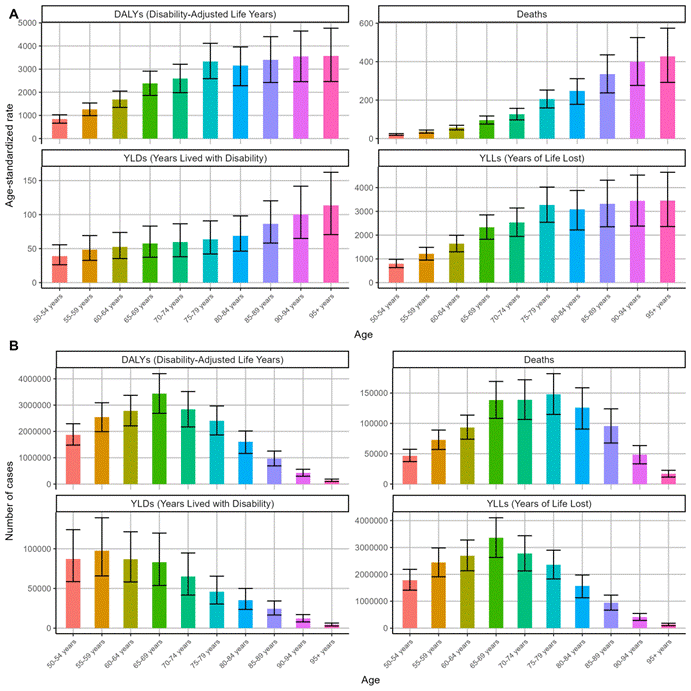
Figure S1. Numbers and age-standardized rates of intracerebral hemorrhage attributable to metabolic risks in females over 50 years old-related deaths, DALYs, YLDs, and YLLs for different age groups in 2021. Abbreviations: YLDs, years lived with disability; YLLs, years of life lost.
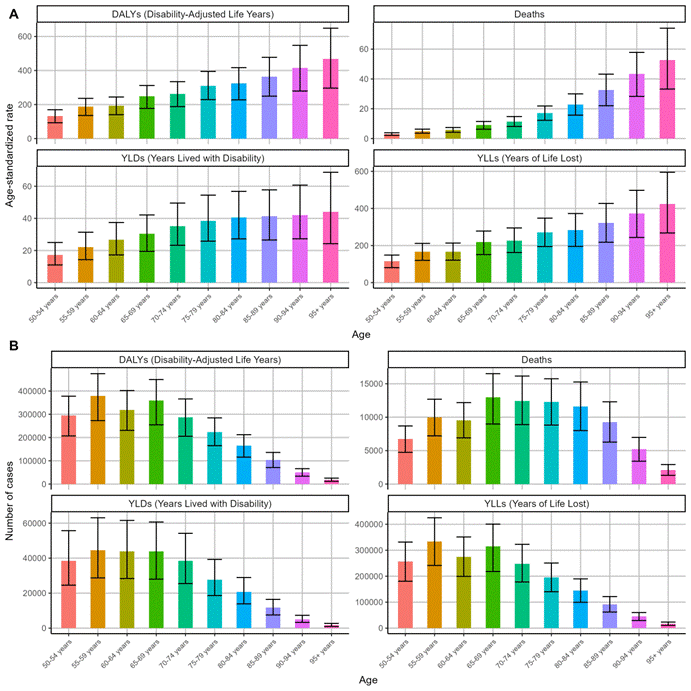
Figure S2. Numbers and age-standardized rates of subarachnoid hemorrhage attributable to metabolic risks in females over 50 years old-related deaths, DALYs, YLDs, and YLLs for different age groups in 2021. Abbreviations: YLDs, years lived with disability; YLLs, years of life lost.
3.2. Temporal trend from 1990 to 2021
From 1990 to 2021, ICH cases increased (deaths: 650,375 to 924,296; DALYs: 14,175,210 to 19,017,842), while ASRs declined (ASDR: 144.62 to 90.63; ASDAR: 3,063.88 to 1,872.23). This paradox—growing absolute burden with decreasing age-standardized rates—reflects demographic growth outpacing healthcare improvements. The 37.3% ASDR decline suggests partial success in hypertension control, but the 42.1% rise in deaths indicates population aging overrides these gains. For SAH, deaths fluctuated (88,981 to 92,051), DALYs trended upward (2,120,727 to 2,197,460), and ASRs declined (ASDR: 19.69 to 9.03). SAH’s non-linear case trend may reflect period-specific factors like screening program introductions, while ASR declines align with global acute care advancements (Figure 1-2, Tables S2-S8).
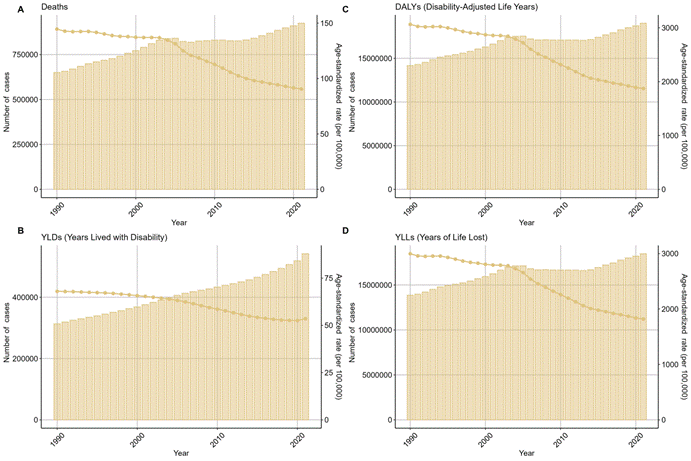
Figure 1. Trends in the numbers and age-standardized rates of intracerebral hemorrhage attributable to metabolic risks globally from 1990 to 2021.
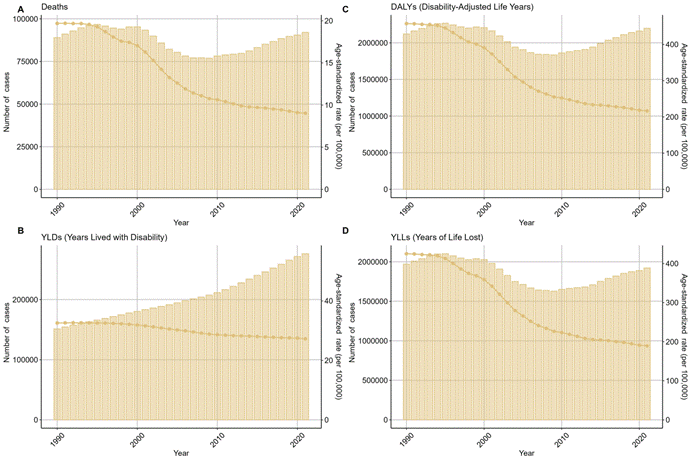
Figure 2. Trends in the numbers and age-standardized rates of subarachnoid hemorrhage attributable to metabolic risks globally from 1990 to 2021.
When stratified by age subtypes, the trends in the number of cases and ASRs for ICH and SAH associated with metabolic risks in females over 50 years mirrored those observed in the total population across almost all age groups (Figure S9-S10, Tables S1-S8).
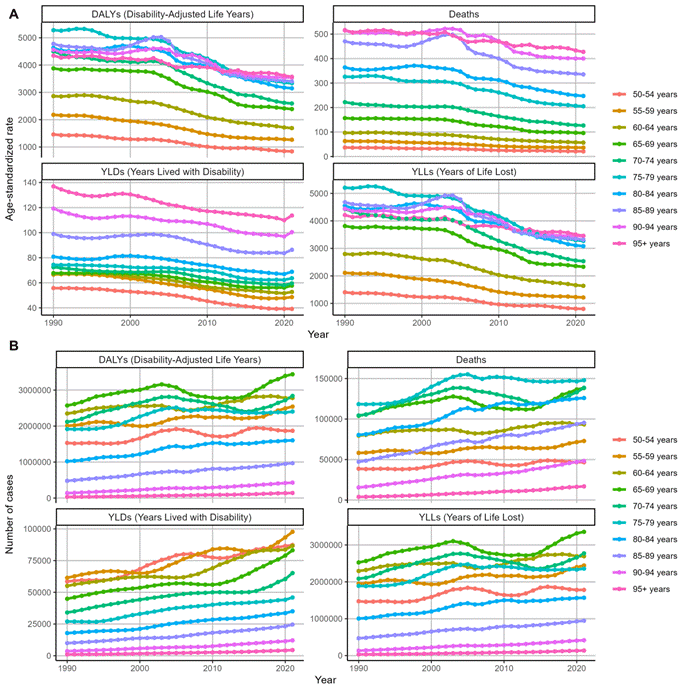
Figure S9. Trends in the numbers and age-standardized rates of intracerebral hemorrhage attributable to metabolic risks in females over 50 years old-related deaths, DALYs, YLDs, and YLLs globally by age groups from 1990 to 2021. Abbreviations: YLDs, years lived with disability; YLLs, years of life lost.
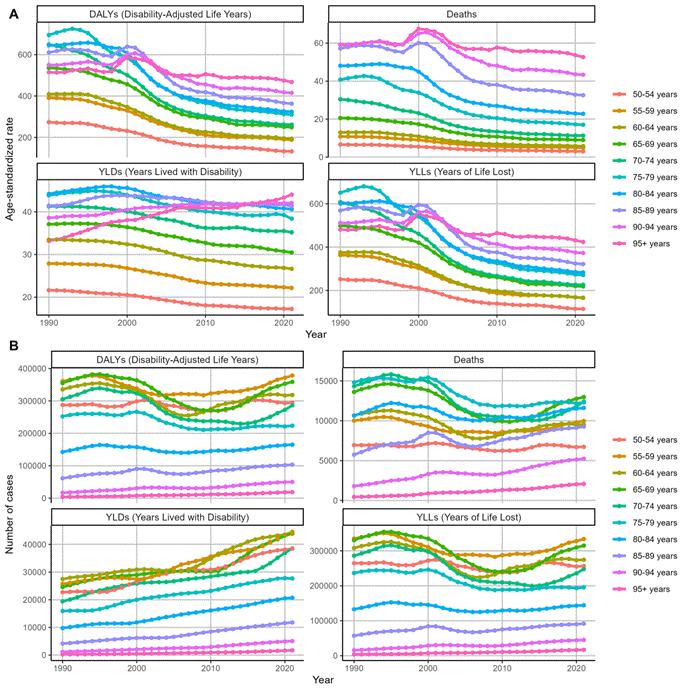
Figure S10. Trends in the numbers and age-standardized rates of subarachnoid hemorrhage attributable to metabolic risks in females over 50 years old-related deaths, DALYs, YLDs, and YLLs globally by age groups from 1990 to 2021. Abbreviations: YLDs, years lived with disability; YLLs, years of life lost.
Regionally, the trends in the number of cases and corresponding ASRs across the SDI regions largely reflected the overall patterns observed for ICH and SAH related to metabolic risks in females over 50 years (Figure S11-S12, Tables S1-S8).
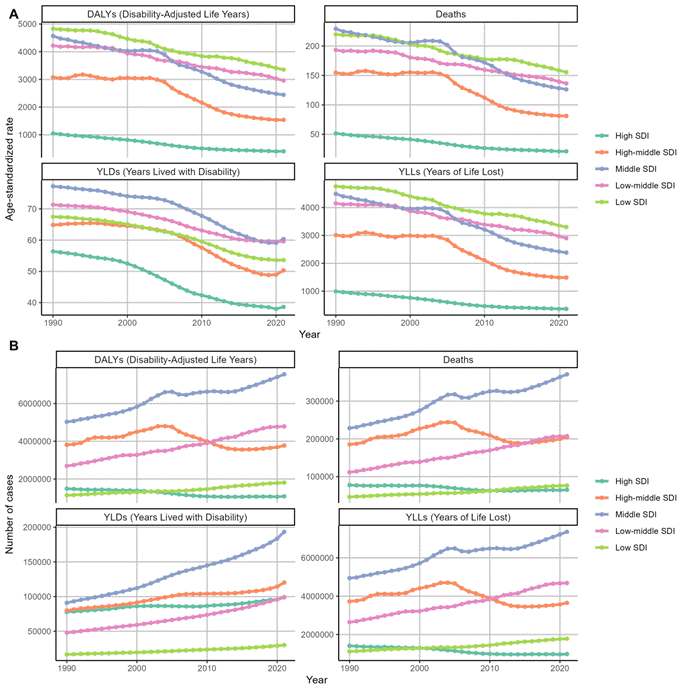
Figure S11. Trends in the numbers and age-standardized rates of intracerebral hemorrhage attributable to metabolic risks in females over 50 years old-related deaths, DALYs, YLDs, and YLLs globally by SDI regions from 1990 to 2021. Abbreviations: YLDs, years lived with disability; YLLs, years of life lost; SDI, Socio – demographic Index.
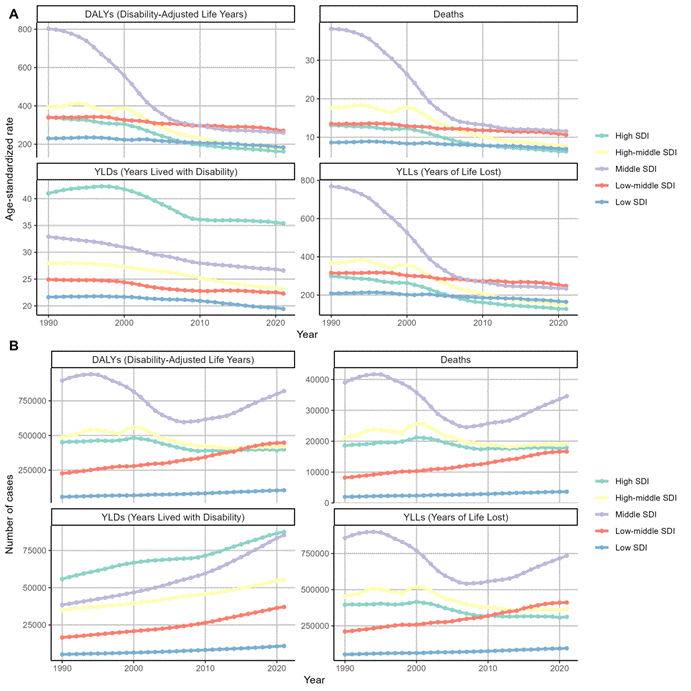
Figure S12. Trends in the numbers and age-standardized rates of subarachnoid hemorrhage attributable to metabolic risks in females over 50 years old-related deaths, DALYs, YLDs, and YLLs globally by SDI regions from 1990 to 2021. Abbreviations: YLDs, years lived with disability; YLLs, years of life lost; SDI, Socio – demographic Index.
Notably, significant regional variations in the burden were identified across the GBD regions, which may be linked to a combination of metabolic risk prevalence, healthcare access, and cultural factors. For example:
High-income regions (e.g., Western Europe): Decreasing ICH ASRs may reflect effective hypertension control programs, while SAH ASR declines could relate to improved diagnostic imaging and acute care.
Low-SDI regions (e.g., Southern Sub-Saharan Africa): Persistently high ICH ASYLDRs might stem from limited access to antihypertensive medications, compounded by cultural norms that delay seeking care for postmenopausal women.
East Asia: Rising SAH ASRs could be associated with dietary transitions (increased salt intake) and aging populations, despite robust stroke screening programs.
To discern regions with similar patterns, a hierarchical clustering analysis was conducted. For metabolic risks-related ICH in females over 50 years, significant increases in ASRs were observed in regions such as the European Region, Europe & Central Asia-WB, Eastern Europe, Western Europe, Advanced Health System, Latin America & Caribbean-WB, Tropical Latin America, Central Europe, and High-income Asia Pacific. Conversely, significant decreases were noted in Southern Sub-Saharan Africa and Southern Africa. For metabolic risks-related SAH in females over 50 years, significant increases in ASRs were evident in Basic Health System, Asia, High-income Asia Pacific, Commonwealth High Income, Western Pacific Region, East Asia & Pacific-WB, and East Asia. Conversely, significant decreases were observed in North America, High-income North America, Middle East & North Africa-WB, European Region, Europe & Central Asia-WB, Europe, South-East Asia Region, Eastern Mediterranean Region, Tropical Latin America, Region of the Americas, America, Northern Africa, South Asia, Commonwealth Middle Income, South Asia-WB, Limited Health System, Central Sub-Saharan Africa, Southeast Asia, Eastern Europe, Western Europe, North Africa and Middle East, Central Europe, Australasia, and Advanced Health System (Figure 3-4, Tables S1-S8).
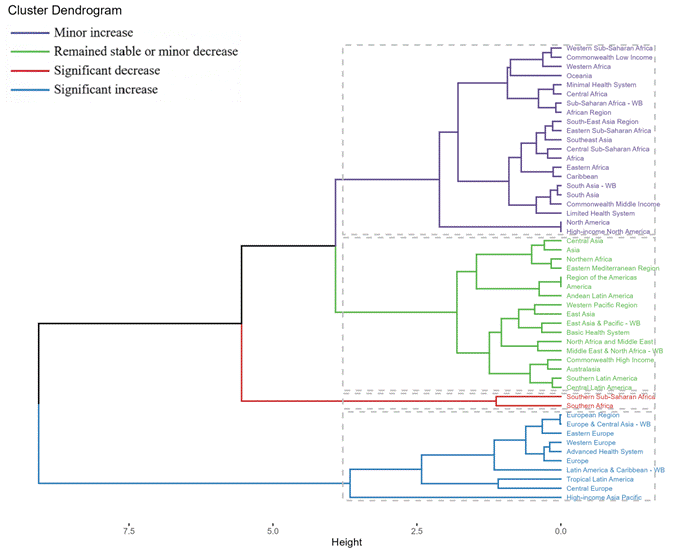
Figure 3. Results of cluster analysis based on the EAPC values of the age-standardized rates of intracerebral hemorrhage attributable to metabolic risks from 1990 to 2021. Abbreviations: EAPC, estimated annual percentage change.
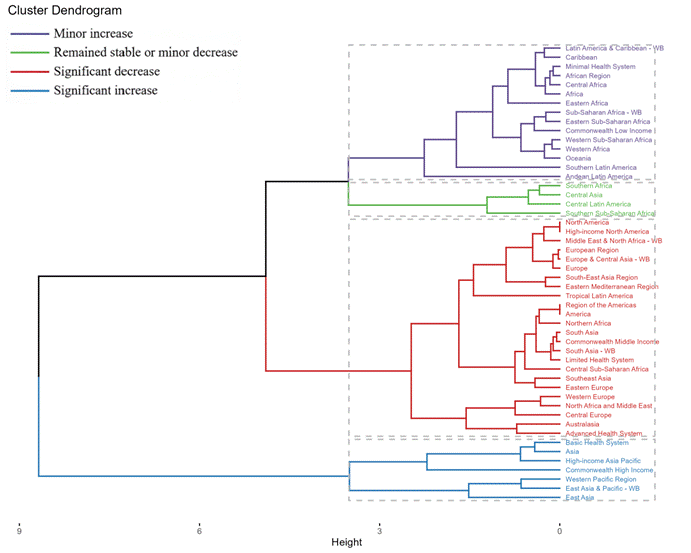
Figure 4. Results of cluster analysis based on the EAPC values of the age-standardized rates of subarachnoid hemorrhage attributable to metabolic risks from 1990 to 2021. Abbreviations: EAPC, estimated annual percentage change.
Across countries and territories, the trends also varied (Figure S13-S14, Tables S1-S8).
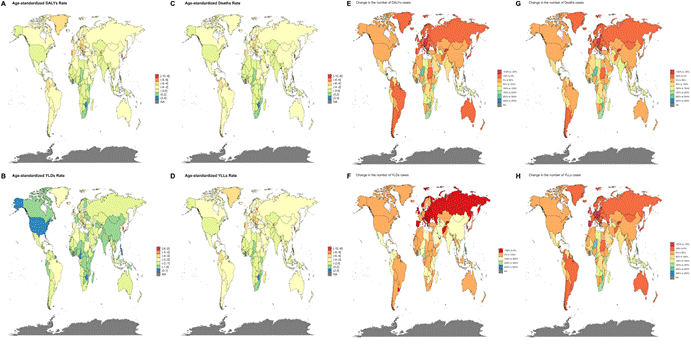
Figure S13. Trends in the numbers and age-standardized rates of intracerebral hemorrhage attributable to metabolic risks in females over 50 years old-related deaths, DALYs, YLDs, and YLLs globally across countries and territories from 1990 to 2021. Abbreviations: YLDs, years lived with disability; YLLs, years of life lost.
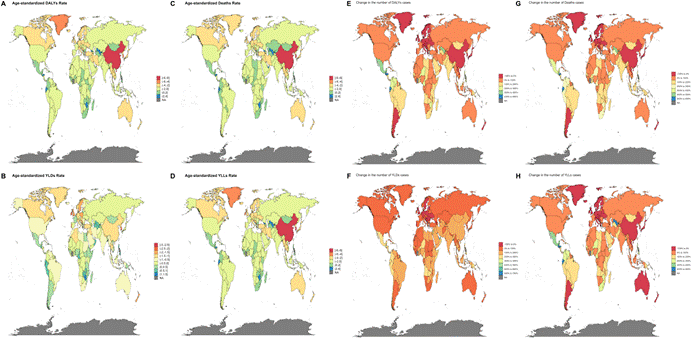
Figure S14. Trends in the numbers and age-standardized rates of subarachnoid hemorrhage attributable to metabolic risks in females over 50 years old-related deaths, DALYs, YLDs, and YLLs globally across countries and territories from 1990 to 2021. Abbreviations: YLDs, years lived with disability; YLLs, years of life lost.
3.3. The predicted results from 2022 to 2050
ARIMA models project rising ICH cases with stable ASRs, and SAH DALYs/YLDs increasing while deaths/YLLs stabilize. ES models predict slight increases in both hemorrhages’ case numbers, with ICH ASRs stable and SAH ASRs slightly decreasing. The projected 68% ICH case increase by 2050, despite stable ASRs, highlights the urgent need to counter demographic aging. SAH’s projected ASR decline may reflect healthcare optimism, but rising DALYs signal persistent disability without targeted rehabilitation (Figures S15-18).
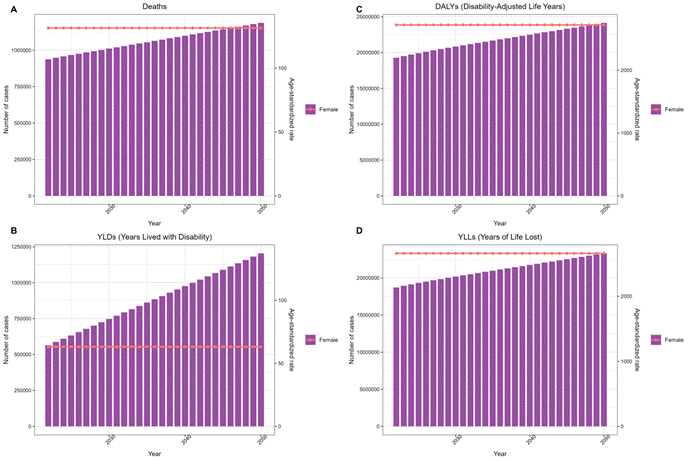
Figure S15. The predicted results in the intracerebral hemorrhage attributable to metabolic risks in females over 50 years old-related numbers and age-standardized rates of deaths, DALYs, YLDs, and YLLs by sex globally from 2022 to 2050 of the ARIMA model. Abbreviations: YLDs, years lived with disability; YLLs, years of life lost; ARIMA, Autoregressive Integrated Moving Average.
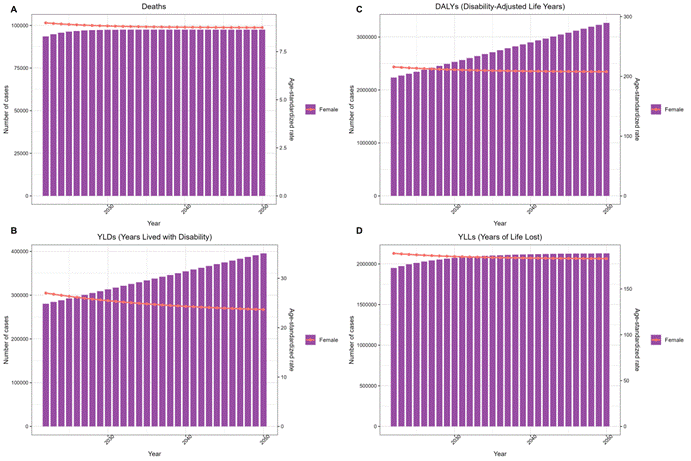
Figure S16. The predicted results in the subarachnoid hemorrhage attributable to metabolic risks in females over 50 years old-related numbers and age-standardized rates of deaths, DALYs, YLDs, and YLLs by sex globally from 2022 to 2050 of the ARIMA model. Abbreviations: YLDs, years lived with disability; YLLs, years of life lost; ARIMA, Autoregressive Integrated Moving Average.
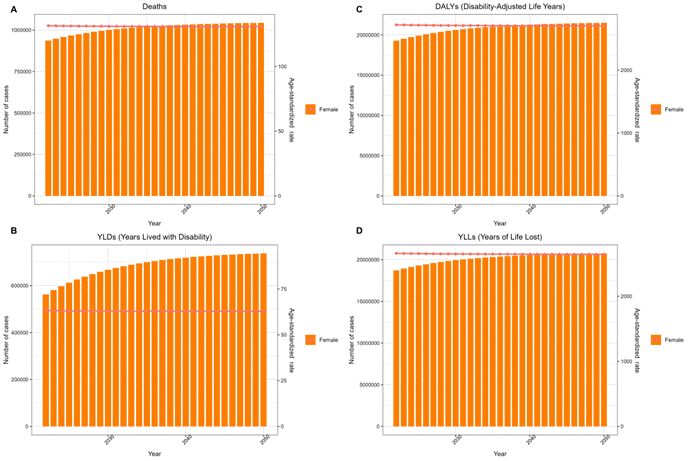
Figure S17. The predicted results in the intracerebral hemorrhage attributable to metabolic risks in females over 50 years old-related numbers and age-standardized rates of deaths, DALYs, YLDs, and YLLs by sex globally from 2022 to 2050 of the ES model. Abbreviations: YLDs, years lived with disability; YLLs, years of life lost; ES, Exponential Smoothing.
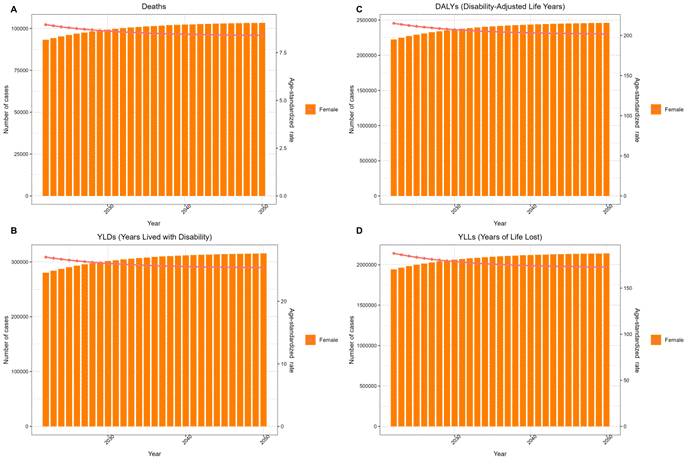
Figure S18. The predicted results in the subarachnoid hemorrhage attributable to metabolic risks in females over 50 years old-related numbers and age-standardized rates of deaths, DALYs, YLDs, and YLLs by sex globally from 2022 to 2050 of the ES model. Abbreviations: YLDs, years lived with disability; YLLs, years of life lost; ES, Exponential Smoothing.
3.4. Decomposition analysis
From 1990 to 2021, ICH and SAH burden increases were driven by aging (43% of ΔTotal) and population growth (38%), offset by negative epidemiological changes (-21%). This means without risk factor control, the burden would have been 21% higher. For YLDs, population growth (62%) overwhelmed aging (-15%) and epidemiological (-27%) mitigations. Sheer population size, not worsening rates, will drive disability burden upward, underscoring the need for preventive strategies (Figure 5-6).
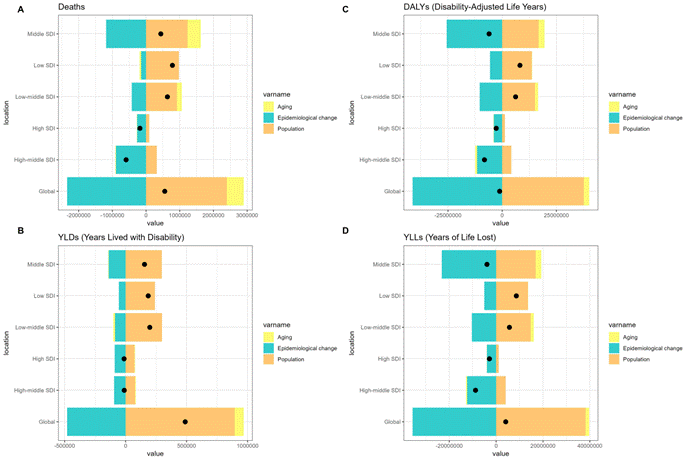
Figure 5. Alterations in the number of cases of intracerebral hemorrhage attributable to metabolic risks based on the population-level determinants of population growth, aging, and epidemiological alteration between 1990 and 2021 at the global level and by SDI quintile. Abbreviations: SDI, Socio-demographic index.
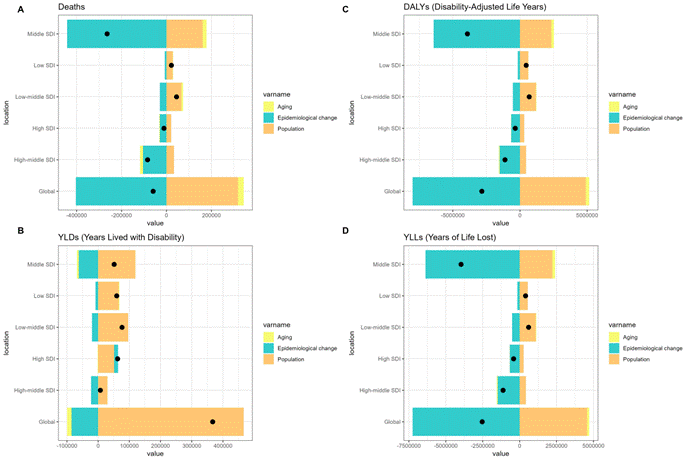
Figure 6. Alterations in the number of cases of subarachnoid hemorrhage attributable to metabolic risks based on the population-level determinants of population growth, aging, and epidemiological alteration between 1990 and 2021 at the global level and by SDI quintile. Abbreviations: SDI, Socio-demographic index.
- Discussion
The present study provides comprehensive insights into the disease burden attributable to metabolic risks-related ICH and SAH among females aged over 50 years globally. Our findings underscore the substantial health impact of these conditions, with ICH resulting in 924,296 deaths and 19,017,842 DALYs in 2021, while SAH accounted for 92,051 deaths and 2,197,460 DALYs in the same year. These findings highlight the urgent need for effective interventions to mitigate the burden of metabolic risk-associated hemorrhagic strokes in this age group. From an oncological perspective, these findings are highly relevant. The aging population, particularly women over 50, represents a core demographic at risk for both metabolic diseases and cancers like CRC. Effective management of shared metabolic risk factors can thus yield a dual benefit, preventing cardiovascular events while potentially reducing the risk and improving the prognosis of metabolic syndrome-associated cancers.
The ASRs of ICH and SAH exhibited distinct patterns across different age groups, with cases generally increasing with age before peaking and declining. This trend is consistent with previous studies that have reported higher incidence and mortality rates for stroke among older adults [17-19]. The peak incidence in older age groups underscores the importance of targeted interventions for this vulnerable population.
The regional variations in disease burden warrant deeper interpretation of underlying mechanisms. Our finding that ICH ASRs increase with decreasing SDI aligns with evidence that LMICs face dual challenges:
Metabolic risk epidemics: Urbanization in middle-income countries has led to rising hypertension and obesity rates, while traditional diets high in sodium persist in low-income settings.
Healthcare disparities: In low-SDI regions, ≤30% of hypertensive patients receive treatment, and cultural barriers (gender-based healthcare access) may disproportionately affect older females.
Policy interventions: High-income regions with declining ASRs (Northern Europe) often have mandatory salt reduction policies and national stroke registries, whereas LMICs lack comparable infrastructure. This disparity also mirrors the challenges faced in global cancer control, where prevention and early detection strategies for diseases like CRC are often under-resourced in the same regions, highlighting the need for integrated health system strengthening.
Gender-specific differences in metabolic risk attribution may also reflect hormonal influences. Postmenopausal estrogen decline accelerates atherosclerosis [10], and our age-stratified analysis shows that ASRs peak at 75–80 years, coinciding with the late phase of metabolic syndrome progression. This underscores the need for gender-tailored policies, such as integrating blood pressure screening into women’s health clinics in LMICs. Such a paradigm shift towards gender-specific and patient-centric care aligns with similar evolutions in oncology, where survivorship care plans for older female CRC patients, for example, could naturally incorporate cardiovascular risk monitoring [5].
This finding is in line with previous research indicating that middle-income countries often face a double burden of communicable and non-communicable diseases [20]. However, for ASRs of ICH, the burden increased with decreasing SDI, except for ASYLDR, which was highest in low SDI regions. This suggests that while resource-constrained settings may experience a higher absolute burden due to population size and aging, the relative impact on health outcomes, as measured by ASYLDR, is particularly pronounced in low SDI regions.
Over the past three decades, from 1990 to 2021, we observed an increase in the number of cases for both ICH and SAH, accompanied by a decrease in their respective ASRs. This paradoxical trend can be attributed to population growth and aging, which drive up the absolute number of cases, while improvements in healthcare and disease management contribute to lower ASRs [21, 22]. However, the consistent increase in YLDs cases, despite the declining trends in ASRs, indicates that the burden of disability due to these conditions remains a significant concern.
The projections for the period from 2022 to 2050, using both ARIMA and ES models, suggest that the number of cases of ICH and SAH associated with metabolic risks is likely to continue rising, with varying trends in ASRs. The ES model, in particular, predicts a slight decrease in ASRs for SAH, which may reflect anticipated improvements in healthcare access and quality in the coming decades. Nonetheless, the overall upward trend in case numbers underscores the need for sustained efforts to prevent and manage these conditions.
The decomposition analysis revealed that aging and population growth were the primary drivers of the increase in ICH and SAH cases over the past 31 years, partially offset by epidemiological changes. For YLDs, the increase was mainly attributed to positive population growth, mitigated by the negative effects of aging and epidemiological shifts. These findings align with the global demographic trends and highlight the importance of addressing the underlying risk factors, such as hypertension, diabetes, and obesity, which are closely linked to metabolic risks [23, 24]. These shared risk factors are equally critical in the prevention of several cancers, notably CRC [5]. This convergence reinforces the argument for integrated NCD prevention programs targeting the common soil of metabolic dysfunction, which could simultaneously bend the curve for both stroke and cancer incidence, especially in aging female populations.
In comparison to existing literature, our study provides three distinct innovations that advance GBD-based stroke research:
Population specificity: While a 2020 GBD study analyzed stroke burden by sex, it did not isolate females ≥50 years or differentiate ICH/SAH [25]; a 2022 report on metabolic risks in stroke included males and younger females, missing the hormonal-metabolic interactions unique to postmenopausal women.
Outcome: Unlike studies that aggregate hemorrhagic stroke as a single entity [26], we dissect ICH and SAH separately, revealing divergent regional trends (SAH ASRs decreasing in High-income North America vs. increasing in East Asia).
Prognostic modeling: Our projection to 2050 combines demographic aging with risk factor dynamics, whereas prior GBD studies often focus on historical trends [12].
These innovations enable tailored recommendations, such as prioritizing hypertension control in low-SDI regions where ICH ASYLDRs are highest. By focusing on a population with distinct metabolic-hormonal vulnerabilities, our work fills a critical gap in understanding how age and sex modify hemorrhagic stroke burden attributable to metabolic risks.
Despite its strengths, our study has several limitations. A key limitation stems from the inherent constraints of the GBD 2021 data source, particularly regarding the uncertainty of estimates in low-resource areas. The GBD study relies on complex modeling to synthesize data from diverse sources (vital registration, surveys, hospital records, verbal autopsies). While employing rigorous statistical methods to quantify uncertainty (reflected in our reported UIs), the accuracy of estimates is highly dependent on data availability and quality. In many LMICs and low-SDI regions, data scarcity, underreporting, limited diagnostic capabilities, and incomplete vital registration systems introduce greater uncertainty into the estimates of ICH/SAH incidence, mortality, and attributable burden compared to high-resource settings [12]. This limitation is particularly relevant to our findings on regional disparities, as the observed trends may partially reflect unmeasured contextual factors (policy effectiveness, cultural norms) rather than pure epidemiological changes. Future studies could combine GBD data with regional policy evaluations to disentangle these mechanisms. Secondly, the data on metabolic risks and their contribution to ICH and SAH were based on GBD estimates and risk attribution models, which also carry inherent uncertainties, especially where local epidemiological data on risk factor prevalence and effect sizes are lacking. Thirdly, the analysis was limited to females aged over 50 years, precluding generalization to other age groups and genders. Finally, the projections were based on historical trends and may not fully capture future changes in healthcare policies, technologies, population behaviors, or unforeseen shifts in metabolic risk factor exposure. Our interpretation of trends and burdens in LMICs should be considered in light of this greater data uncertainty. Furthermore, the current analysis does not allow for the differentiation of stroke outcomes in individuals with a history of malignancy versus those without, which represents an important direction for future patient-level research.
5. Conclusion
In conclusion, the present study underscores the significant disease burden attributable to metabolic risks-related ICH and SAH among females aged over 50 years globally. The increasing number of cases, despite declining ASRs, highlights the need for comprehensive strategies to prevent and manage these conditions. Our findings have implications beyond neurology, suggesting that holistic care models, which manage shared metabolic risk factors across NCDs, are essential for the health of aging women worldwide. Future research should not only focus on identifying the most effective interventions, particularly in resource-constrained settings, to mitigate the growing burden of hemorrhagic strokes associated with metabolic risks but also investigate the benefits of integrated care pathways that address the combined risk of cardiovascular disease and common cancers like CRC.
References
[1] Feigin VL, Forouzanfar MH, Krishnamurthi R, Mensah GA, Connor M, Bennett DA, Moran AE, Sacco RL, Anderson L, Truelsen T, O’Donnell M, Venketasubramanian N, Barker-Collo S, Lawes CM, Wang W, Shinohara Y, Witt E, Ezzati M, Naghavi M, Murray C; Global Burden of Diseases, Injuries, and Risk Factors Study 2010 (GBD 2010) and the GBD Stroke Experts Group. Global and regional burden of stroke during 1990-2010: findings from the Global Burden of Disease Study 2010. Lancet. 2014 Jan 18;383(9913):245-54. doi: 10.1016/s0140-6736(13)61953-4. Erratum in: Lancet. 2014 Jan 18;383(9913):218. PMID: 24449944; PMCID: PMC4181600.
[2] Qureshi AI, Tuhrim S, Broderick JP, Batjer HH, Hondo H, Hanley DF. Spontaneous intracerebral hemorrhage. N Engl J Med. 2001 May 10;344(19):1450-60. doi: 10.1056/NEJM200105103441907. PMID: 11346811.
[3] Kovacs GG. Concepts and classification of neurodegenerative diseases. Handb Clin Neurol. 2017;145:301-307. doi: 10.1016/B978-0-12-802395-2.00021-3. PMID: 28987178.
[4] Goldstein LB, Adams R, Becker K, Furberg CD, Gorelick PB, Hademenos G, Hill M, Howard G, Howard VJ, Jacobs B, Levine SR, Mosca L, Sacco RL, Sherman DG, Wolf PA, del Zoppo GJ. Primary prevention of ischemic stroke: A statement for healthcare professionals from the Stroke Council of the American Heart Association. Stroke. 2001 Jan;32(1):280-99. doi: 10.1161/01.str.32.1.280. PMID: 11136952.
[5] Grundy SM, Cleeman JI, Daniels SR, Donato KA, Eckel RH, Franklin BA, Gordon DJ, Krauss RM, Savage PJ, Smith SC Jr, Spertus JA, Costa F; American Heart Association; National Heart, Lung, and Blood Institute. Diagnosis and management of the metabolic syndrome: an American Heart Association/National Heart, Lung, and Blood Institute Scientific Statement. Circulation. 2005 Oct 25;112(17):2735-52. doi: 10.1161/CIRCULATIONAHA.105.169404. Epub 2005 Sep 12. Erratum in: Circulation. 2005 Oct 25;112(17):e297. Erratum in: Circulation. 2005 Oct 25;112(17):e298. PMID: 16157765.
[6] GBD 2019 Stroke Collaborators. Global, regional, and national burden of stroke and its risk factors, 1990-2019: a systematic analysis for the Global Burden of Disease Study 2019. Lancet Neurol. 2021 Oct;20(10):795-820. doi: 10.1016/S1474-4422(21)00252-0. Epub 2021 Sep 3. PMID: 34487721; PMCID: PMC8443449.
[7] O’Donnell MJ, Xavier D, Liu L, Zhang H, Chin SL, Rao-Melacini P, Rangarajan S, Islam S, Pais P, McQueen MJ, Mondo C, Damasceno A, Lopez-Jaramillo P, Hankey GJ, Dans AL, Yusoff K, Truelsen T, Diener HC, Sacco RL, Ryglewicz D, Czlonkowska A, Weimar C, Wang X, Yusuf S; INTERSTROKE investigators. Risk factors for ischaemic and intracerebral haemorrhagic stroke in 22 countries (the INTERSTROKE study): a case-control study. Lancet. 2010 Jul 10;376(9735):112-23. doi: 10.1016/S0140-6736(10)60834-3. Epub 2010 Jun 17. PMID: 20561675.
[8] Roth GA, Mensah GA, Johnson CO, Addolorato G, Ammirati E, Baddour LM, Barengo NC, Beaton AZ, Benjamin EJ, Benziger CP, Bonny A, Brauer M, Brodmann M, Cahill TJ, Carapetis J, Catapano AL, Chugh SS, Cooper LT, Coresh J, Criqui M, DeCleene N, Eagle KA, Emmons-Bell S, Feigin VL, Fernández-Solà J, Fowkes G, Gakidou E, Grundy SM, He FJ, Howard G, Hu F, Inker L, Karthikeyan G, Kassebaum N, Koroshetz W, Lavie C, Lloyd-Jones D, Lu HS, Mirijello A, Temesgen AM, Mokdad A, Moran AE, Muntner P, Narula J, Neal B, Ntsekhe M, Moraes de Oliveira G, Otto C, Owolabi M, Pratt M, Rajagopalan S, Reitsma M, Ribeiro ALP, Rigotti N, Rodgers A, Sable C, Shakil S, Sliwa-Hahnle K, Stark B, Sundström J, Timpel P, Tleyjeh IM, Valgimigli M, Vos T, Whelton PK, Yacoub M, Zuhlke L, Murray C, Fuster V; GBD-NHLBI-JACC Global Burden of Cardiovascular Diseases Writing Group. Global Burden of Cardiovascular Diseases and Risk Factors, 1990-2019: Update From the GBD 2019 Study. J Am Coll Cardiol. 2020 Dec 22;76(25):2982-3021. doi: 10.1016/j.jacc.2020.11.010. Erratum in: J Am Coll Cardiol. 2021 Apr 20;77(15):1958-1959. doi: 10.1016/j.jacc.2021.02.039. PMID: 33309175; PMCID: PMC7755038.
[9] Bushnell C, McCullough LD, Awad IA, Chireau MV, Fedder WN, Furie KL, Howard VJ, Lichtman JH, Lisabeth LD, Piña IL, Reeves MJ, Rexrode KM, Saposnik G, Singh V, Towfighi A, Vaccarino V, Walters MR; American Heart Association Stroke Council; Council on Cardiovascular and Stroke Nursing; Council on Clinical Cardiology; Council on Epidemiology and Prevention; Council for High Blood Pressure Research. Guidelines for the prevention of stroke in women: a statement for healthcare professionals from the American Heart Association/American Stroke Association. Stroke. 2014 May;45(5):1545-88. doi: 10.1161/01.str.0000442009.06663.48. Epub 2014 Feb 6. Erratum in: Stroke. 2014 Oct;45(10);e214. Erratum in: Stroke.2014 May;45(5):e95. PMID: 24503673; PMCID: PMC10152977.
[10] Al-Azzawi F, Palacios S. Hormonal changes during menopause. Maturitas. 2009 Jun 20;63(2):135-7. doi: 10.1016/j.maturitas.2009.03.009. Epub 2009 Apr 15. PMID: 19372016.
[11] Springmann M, Clark M, Mason-D’Croz D, Wiebe K, Bodirsky BL, Lassaletta L, de Vries W, Vermeulen SJ, Herrero M, Carlson KM, Jonell M, Troell M, DeClerck F, Gordon LJ, Zurayk R, Scarborough P, Rayner M, Loken B, Fanzo J, Godfray HCJ, Tilman D, Rockström J, Willett W. Options for keeping the food system within environmental limits. Nature. 2018 Oct;562(7728):519-525. doi: 10.1038/s41586-018-0594-0. Epub 2018 Oct 10. PMID: 30305731.
[12] GBD 2021 Diabetes Collaborators. Global, regional, and national burden of diabetes from 1990 to 2021, with projections of prevalence to 2050: a systematic analysis for the Global Burden of Disease Study 2021. Lancet. 2023 Jul 15;402(10397):203-234. doi: 10.1016/S0140-6736(23)01301-6. Epub 2023 Jun 22. Erratum in: Lancet. 2023 Sep 30;402(10408):1132. doi: 10.1016/S0140-6736(23)02044-5. Erratum in: Lancet. 2025 Jan 18;405(10474):202. doi: 10.1016/S0140-6736(25)00053-4. PMID: 37356446; PMCID: PMC10364581.
[13] GBD 2019 Risk Factors Collaborators. Global burden of 87 risk factors in 204 countries and territories, 1990-2019: a systematic analysis for the Global Burden of Disease Study 2019. Lancet. 2020 Oct 17;396(10258):1223-1249. doi: 10.1016/S0140-6736(20)30752-2. PMID: 33069327; PMCID: PMC7566194.
[14] Zeger SL, Irizarry R, Peng RD. On time series analysis of public health and biomedical data. Annu Rev Public Health. 2006;27:57-79. doi: 10.1146/annurev.publhealth.26.021304.144517. PMID: 16533109.
[15] GBD 2016 Neurology Collaborators. Global, regional, and national burden of neurological disorders, 1990-2016: a systematic analysis for the Global Burden of Disease Study 2016. Lancet Neurol. 2019 May;18(5):459-480. doi: 10.1016/S1474-4422(18)30499-X. Epub 2019 Mar 14. PMID: 30879893; PMCID: PMC6459001.
[16] Murray CJ, Kulkarni SC, Michaud C, Tomijima N, Bulzacchelli MT, Iandiorio TJ, Ezzati M. Eight Americas: investigating mortality disparities across races, counties, and race-counties in the United States. PLoS Med. 2006 Sep;3(9):e260. doi: 10.1371/journal.pmed.0030260. Erratum in: PLoS Med. 2006 Dec;3(12):e545. PMID: 16968116; PMCID: PMC1564165.
[17] GBD 2019 Stroke Collaborators. Global, regional, and national burden of stroke and its risk factors, 1990-2019: a systematic analysis for the Global Burden of Disease Study 2019. Lancet Neurol. 2021 Oct;20(10):795-820. doi: 10.1016/S1474-4422(21)00252-0. Epub 2021 Sep 3. PMID: 34487721; PMCID: PMC8443449.
[18] GBD 2016 Lifetime Risk of Stroke Collaborators. Global, Regional, and Country-Specific Lifetime Risks of Stroke, 1990 and 2016. N Engl J Med. 2018 Dec 20;379(25):2429-2437. doi: 10.1056/NEJMoa1804492. PMID: 30575491; PMCID: PMC6247346.
[19] Saposnik G, Jeerakathil T, Selchen D, Baibergenova A, Hachinski V, Kapral MK; Stroke Outcome Research Canada Working Group. Socioeconomic status, hospital volume, and stroke fatality in Canada. Stroke. 2008 Dec;39(12):3360-6. doi: 10.1161/STROKEAHA.108.521344. Epub 2008 Sep 4. PMID: 18772443.
[20] Lim SS, Vos T, Flaxman AD, Danaei G, Shibuya K, Adair-Rohani H, et,al. A comparative risk assessment of burden of disease and injury attributable to 67 risk factors and risk factor clusters in 21 regions, 1990-2010: a systematic analysis for the Global Burden of Disease Study 2010. Lancet. 2012 Dec 15;380(9859):2224-60. doi: 10.1016/S0140-6736(12)61766-8. Erratum in: Lancet. 2013 Apr 13;381(9874):1276. Erratum in: Lancet. 2013 Feb 23;381(9867):628. AlMazroa, Mohammad A [added]; Memish, Ziad A [added]. PMID: 23245609; PMCID: PMC4156511.
[21] Lozano R, Naghavi M, Foreman K, Lim S, Shibuya K, Aboyans V, et,al. Global and regional mortality from 235 causes of death for 20 age groups in 1990 and 2010: a systematic analysis for the Global Burden of Disease Study 2010. Lancet. 2012 Dec 15;380(9859):2095-128. doi: 10.1016/S0140-6736(12)61728-0. Erratum in: Lancet. 2013 Feb 23;381(9867):628. AlMazroa, Mohammad A [added]; Memish, Ziad A [added]. PMID: 23245604; PMCID: PMC10790329.
[22] Murray CJ, Vos T, Lozano R, Naghavi M, Flaxman AD, Michaud C, et,al. Disability-adjusted life years (DALYs) for 291 diseases and injuries in 21 regions, 1990-2010: a systematic analysis for the Global Burden of Disease Study 2010. Lancet. 2012 Dec 15;380(9859):2197-223. doi: 10.1016/S0140-6736(12)61689-4. Erratum in: Lancet. 2013 Feb 23;381(9867):628. AlMazroa, Mohammad A [added]; Memish, Ziad A [added]. PMID: 23245608.
[23] O’Donnell MJ, Xavier D, Liu L, Zhang H, Chin SL, Rao-Melacini P, Rangarajan S, Islam S, Pais P, McQueen MJ, Mondo C, Damasceno A, Lopez-Jaramillo P, Hankey GJ, Dans AL, Yusoff K, Truelsen T, Diener HC, Sacco RL, Ryglewicz D, Czlonkowska A, Weimar C, Wang X, Yusuf S; INTERSTROKE investigators. Risk factors for ischaemic and intracerebral haemorrhagic stroke in 22 countries (the INTERSTROKE study): a case-control study. Lancet. 2010 Jul 10;376(9735):112-23. doi: 10.1016/S0140-6736(10)60834-3. Epub 2010 Jun 17. PMID: 20561675.
[24] Mohan KM, Wolfe CD, Rudd AG, Heuschmann PU, Kolominsky-Rabas PL, Grieve AP. Risk and cumulative risk of stroke recurrence: a systematic review and meta-analysis. Stroke. 2011 May;42(5):1489-94. doi: 10.1161/STROKEAHA.110.602615. Epub 2011 Mar 31. PMID: 21454819.
[25] Strong K, Mathers C, Bonita R. Preventing stroke: saving lives around the world. Lancet Neurol. 2007 Feb;6(2):182-7. doi: 10.1016/S1474-4422(07)70031-5. PMID: 17239805.
[26] Thrift AG, Dewey HM, Macdonell RA, McNeil JJ, Donnan GA. Incidence of the major stroke subtypes: initial findings from the North East Melbourne stroke incidence study (NEMESIS). Stroke. 2001 Aug;32(8):1732-8. doi: 10.1161/01.str.32.8.1732. PMID: 11486098.
Figure legends
Figure 1. Trends in the numbers and age-standardized rates of intracerebral hemorrhage attributable to metabolic risks globally from 1990 to 2021.
Figure 2. Trends in the numbers and age-standardized rates of subarachnoid hemorrhage attributable to metabolic risks globally from 1990 to 2021.
Figure 3. Results of cluster analysis based on the EAPC values of the age-standardized rates of intracerebral hemorrhage attributable to metabolic risks from 1990 to 2021. Abbreviations: EAPC, estimated annual percentage change.
Figure 4. Results of cluster analysis based on the EAPC values of the age-standardized rates of subarachnoid hemorrhage attributable to metabolic risks from 1990 to 2021. Abbreviations: EAPC, estimated annual percentage change.
Figure 5. Alterations in the number of cases of intracerebral hemorrhage attributable to metabolic risks based on the population-level determinants of population growth, aging, and epidemiological alteration between 1990 and 2021 at the global level and by SDI quintile. Abbreviations: SDI, Socio-demographic index.
Figure 6. Alterations in the number of cases of subarachnoid hemorrhage attributable to metabolic risks based on the population-level determinants of population growth, aging, and epidemiological alteration between 1990 and 2021 at the global level and by SDI quintile. Abbreviations: SDI, Socio-demographic index.
Supplemental Figure legend
Figure S1. Numbers and age-standardized rates of intracerebral hemorrhage attributable to metabolic risks in females over 50 years old-related deaths, DALYs, YLDs, and YLLs for different age groups in 2021. Abbreviations: YLDs, years lived with disability; YLLs, years of life lost.
Figure S2. Numbers and age-standardized rates of subarachnoid hemorrhage attributable to metabolic risks in females over 50 years old-related deaths, DALYs, YLDs, and YLLs for different age groups in 2021. Abbreviations: YLDs, years lived with disability; YLLs, years of life lost.
Figure S3. Numbers and age-standardized rates of intracerebral hemorrhage attributable to metabolic risks in females over 50 years old-related deaths, DALYs, YLDs, and YLLs for different SDI regions in 2021. Abbreviations: YLDs, years lived with disability; YLLs, years of life lost; SDI, Socio – demographic Index.
Figure S4. Numbers and age-standardized rates of subarachnoid hemorrhage attributable to metabolic risks in females over 50 years old-related deaths, DALYs, YLDs, and YLLs for different SDI regions in 2021. Abbreviations: YLDs, years lived with disability; YLLs, years of life lost; SDI, Socio – demographic Index.
Figure S5. Numbers and age-standardized rates of intracerebral hemorrhage attributable to metabolic risks in females over 50 years old-related deaths, DALYs, YLDs, and YLLs for different GBD regions in 2021. Abbreviations: YLDs, years lived with disability; YLLs, years of life lost; GBD, Global Burden of Disease.
Figure S6. Numbers and age-standardized rates of subarachnoid hemorrhage attributable to metabolic risks in females over 50 years old-related deaths, DALYs, YLDs, and YLLs for different GBD regions in 2021. Abbreviations: YLDs, years lived with disability; YLLs, years of life lost; GBD, Global Burden of Disease.
Figure S7. Numbers and age-standardized rates of intracerebral hemorrhage attributable to metabolic risks in females over 50 years old-related deaths, DALYs, YLDs, and YLLs across countries and territories in 2021. Abbreviations: YLDs, years lived with disability; YLLs, years of life lost.
Figure S8. Numbers and age-standardized rates of subarachnoid hemorrhage attributable to metabolic risks in females over 50 years old-related deaths, DALYs, YLDs, and YLLs across countries and territories in 2021. Abbreviations: YLDs, years lived with disability; YLLs, years of life lost.
Figure S9. Trends in the numbers and age-standardized rates of intracerebral hemorrhage attributable to metabolic risks in females over 50 years old-related deaths, DALYs, YLDs, and YLLs globally by age groups from 1990 to 2021. Abbreviations: YLDs, years lived with disability; YLLs, years of life lost.
Figure S10. Trends in the numbers and age-standardized rates of subarachnoid hemorrhage attributable to metabolic risks in females over 50 years old-related deaths, DALYs, YLDs, and YLLs globally by age groups from 1990 to 2021. Abbreviations: YLDs, years lived with disability; YLLs, years of life lost.
Figure S11. Trends in the numbers and age-standardized rates of intracerebral hemorrhage attributable to metabolic risks in females over 50 years old-related deaths, DALYs, YLDs, and YLLs globally by SDI regions from 1990 to 2021. Abbreviations: YLDs, years lived with disability; YLLs, years of life lost; SDI, Socio – demographic Index.
Figure S12. Trends in the numbers and age-standardized rates of subarachnoid hemorrhage attributable to metabolic risks in females over 50 years old-related deaths, DALYs, YLDs, and YLLs globally by SDI regions from 1990 to 2021. Abbreviations: YLDs, years lived with disability; YLLs, years of life lost; SDI, Socio – demographic Index.
Figure S13. Trends in the numbers and age-standardized rates of intracerebral hemorrhage attributable to metabolic risks in females over 50 years old-related deaths, DALYs, YLDs, and YLLs globally across countries and territories from 1990 to 2021. Abbreviations: YLDs, years lived with disability; YLLs, years of life lost.
Figure S14. Trends in the numbers and age-standardized rates of subarachnoid hemorrhage attributable to metabolic risks in females over 50 years old-related deaths, DALYs, YLDs, and YLLs globally across countries and territories from 1990 to 2021. Abbreviations: YLDs, years lived with disability; YLLs, years of life lost.
Figure S15. The predicted results in the intracerebral hemorrhage attributable to metabolic risks in females over 50 years old-related numbers and age-standardized rates of deaths, DALYs, YLDs, and YLLs by sex globally from 2022 to 2050 of the ARIMA model. Abbreviations: YLDs, years lived with disability; YLLs, years of life lost; ARIMA, Autoregressive Integrated Moving Average.
Figure S16. The predicted results in the subarachnoid hemorrhage attributable to metabolic risks in females over 50 years old-related numbers and age-standardized rates of deaths, DALYs, YLDs, and YLLs by sex globally from 2022 to 2050 of the ARIMA model. Abbreviations: YLDs, years lived with disability; YLLs, years of life lost; ARIMA, Autoregressive Integrated Moving Average.
Figure S17. The predicted results in the intracerebral hemorrhage attributable to metabolic risks in females over 50 years old-related numbers and age-standardized rates of deaths, DALYs, YLDs, and YLLs by sex globally from 2022 to 2050 of the ES model. Abbreviations: YLDs, years lived with disability; YLLs, years of life lost; ES, Exponential Smoothing.
Figure S18. The predicted results in the subarachnoid hemorrhage attributable to metabolic risks in females over 50 years old-related numbers and age-standardized rates of deaths, DALYs, YLDs, and YLLs by sex globally from 2022 to 2050 of the ES model. Abbreviations: YLDs, years lived with disability; YLLs, years of life lost; ES, Exponential Smoothing.